
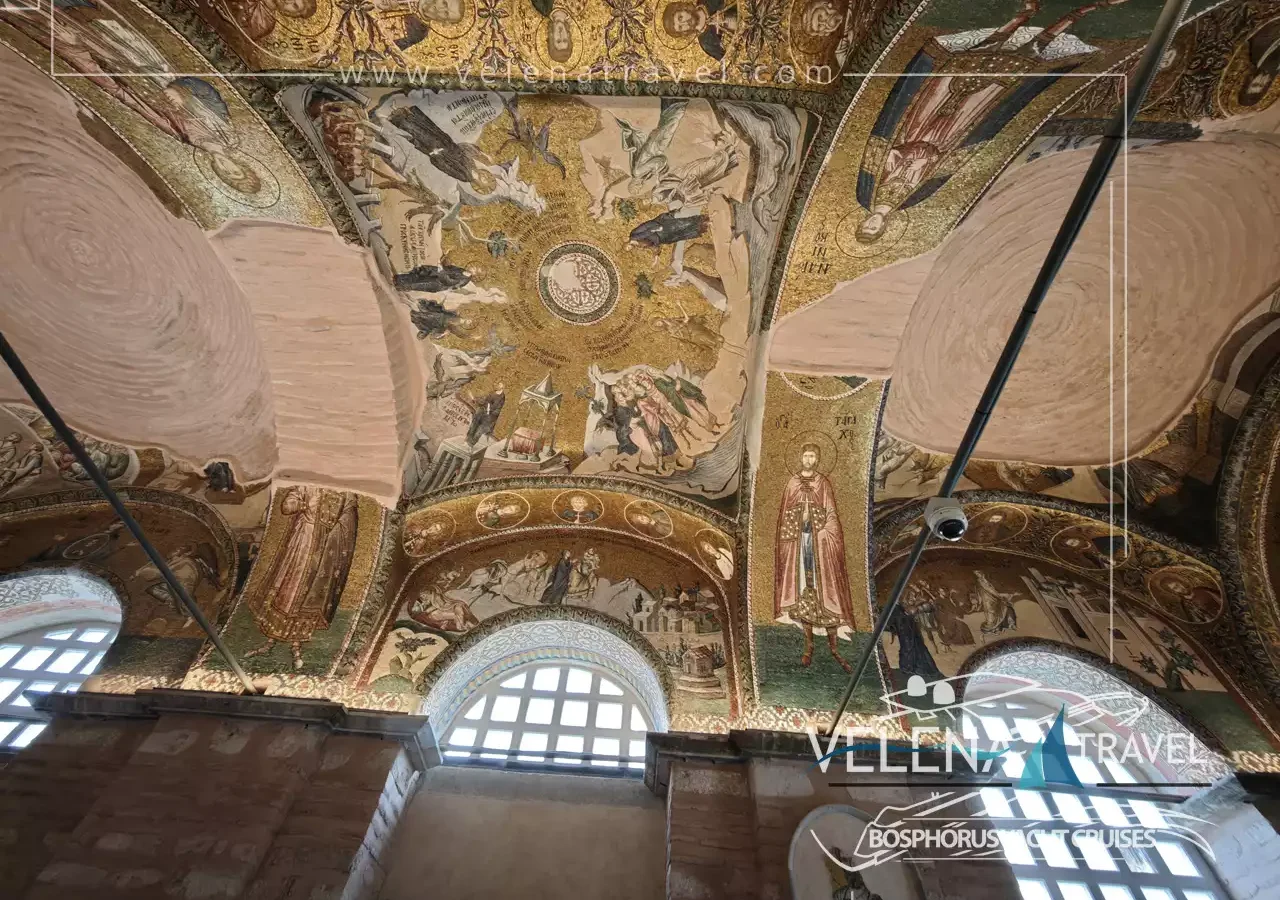
Kariye Mosque in Istanbul, historically known as the Chora Church, is one of the city’s most important surviving monuments of Byzantine art.
Located near Edirnekapi in Istanbul’s historic Fatih district, the building is particularly famous for its extraordinary 14th-century mosaics and frescoes, which illustrate scenes from the lives of Christ and the Virgin Mary as well as some of the most sophisticated examples of Late Byzantine religious art.
Known for many years as the Kariye Museum, the monument today once again functions as a mosque while also remaining an important cultural and historical site for visitors.
What Is Kariye Mosque?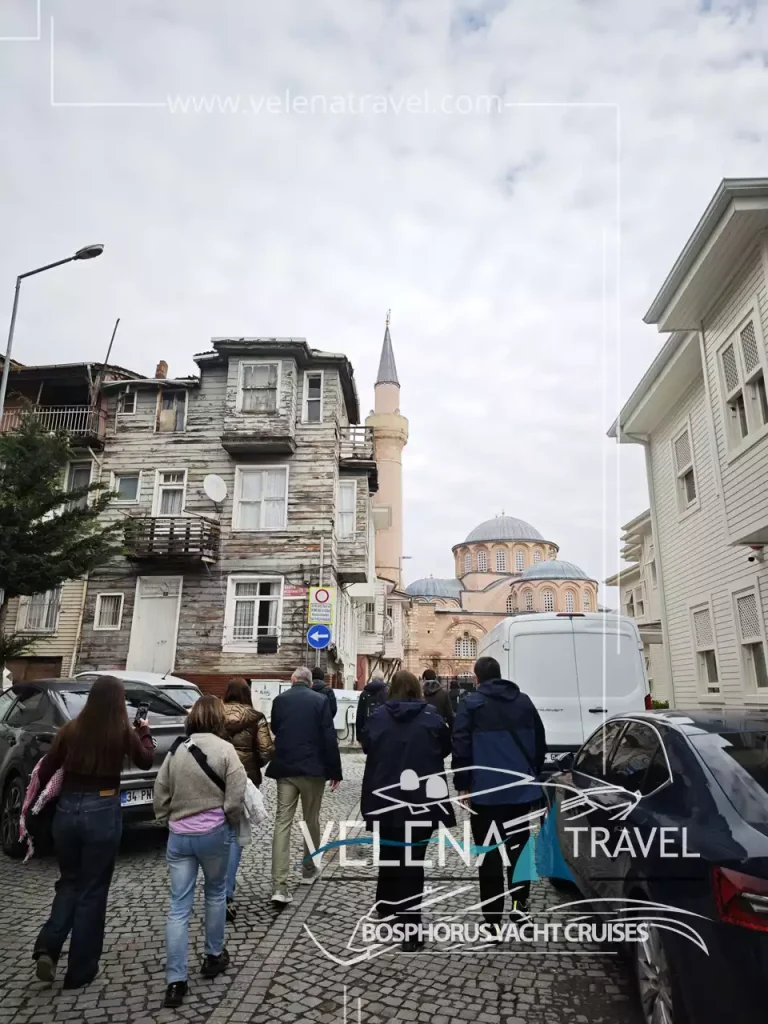
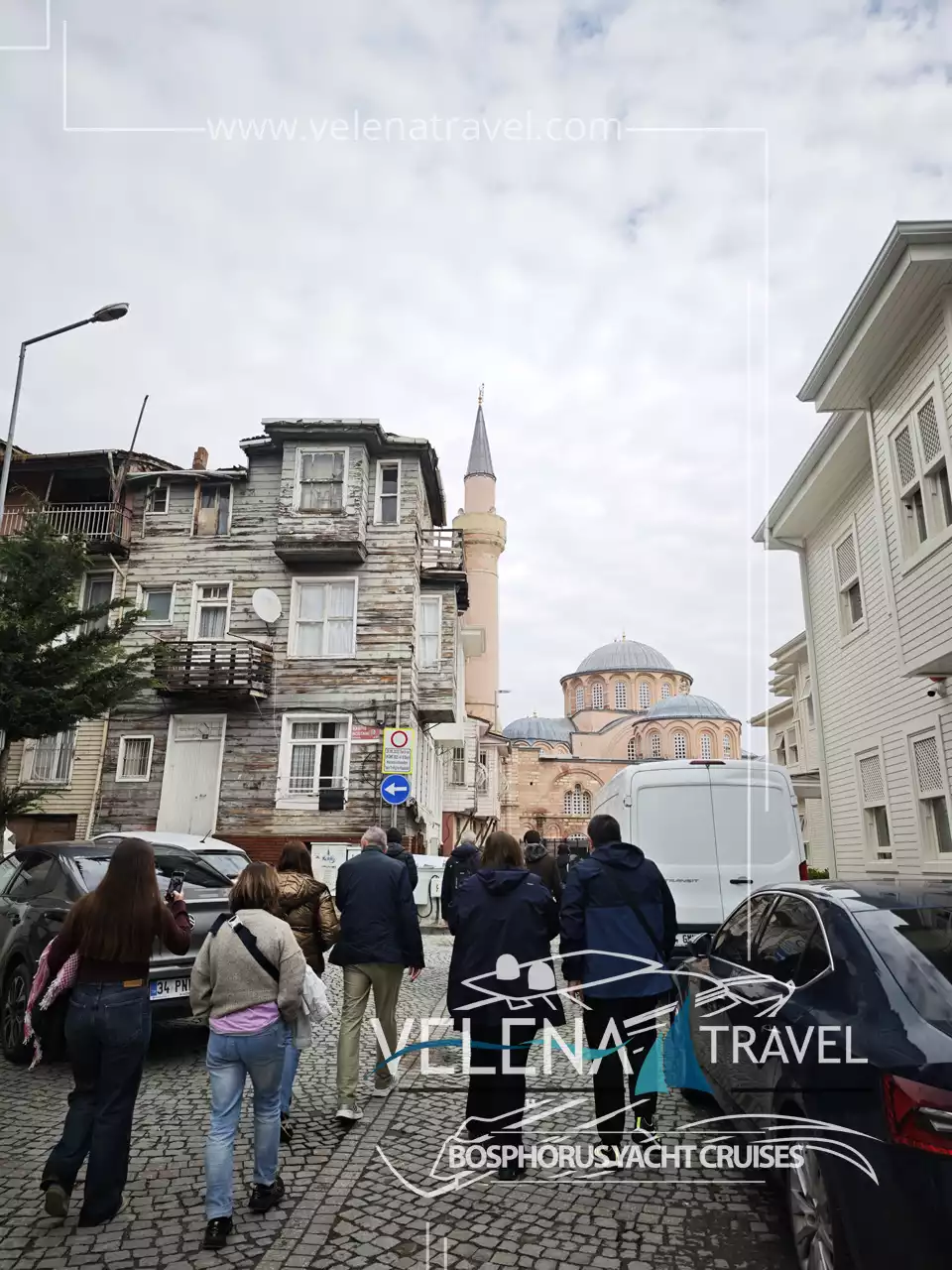
Kariye Mosque has passed through several different periods in Istanbul’s long history.
The monument originated as a Byzantine religious complex known as the Church of the Holy Saviour in Chora.
The Greek word Chora can be understood as meaning countryside or an area outside the city. The name reflects the building’s early location outside the older city boundaries of Constantinople.
The structure seen today is the result of centuries of rebuilding, restoration and expansion rather than one single construction phase.
Official Turkish cultural sources describe an early religious building on the site, later rebuilding during the Byzantine period and major reconstruction under the Komnenian dynasty. The monument was then substantially renewed and decorated during the early 14th century under the patronage of Theodore Metochites, one of the leading statesmen and intellectuals of the Byzantine court.
From Chora Church to Kariye Mosque
Following the Ottoman conquest of Constantinople, the building continued to function as a church for a period.
In 1511, during the reign of Sultan Bayezid II, it was converted into a mosque by Hadim Ali Pasha. A minaret was added and many of the Christian mosaics and frescoes were covered rather than destroyed.
During the Republican period, the building later became a museum.
Restoration and conservation work carried out in the mid-20th century uncovered many of the Byzantine mosaics and frescoes that had been hidden for centuries.
For decades, visitors therefore knew the monument primarily as the Kariye Museum or Chora Museum.
Its status changed again in 2020, and after several years of restoration, Kariye Mosque reopened for worship in May 2024.
Why Is Kariye Famous?
Kariye is internationally renowned not because of its size but because of the artistic quality of its interior decoration.
Its mosaics and frescoes are considered among the finest surviving examples of Late Byzantine art in Istanbul.
Much of the decoration dates from approximately the early 14th century, particularly the period associated with Theodore Metochites.
The compositions are notable for their:
- Detailed storytelling
- Rich use of gold
- Expressive human figures
- Architectural depth
- Movement and emotion
- Complex theological symbolism
- Sophisticated use of color and perspective
For travelers interested in Byzantine history, Kariye provides a very different experience from Istanbul’s larger imperial monuments.
The Kariye Mosaics
The most celebrated works are found mainly in the building’s inner and outer narthexes.
Rather than presenting isolated religious figures, many of the mosaics form extended narrative cycles.
Scenes from the Life of the Virgin Mary
A substantial part of the mosaic program is devoted to the Virgin Mary.
The images tell episodes connected with her parents, childhood, presentation at the Temple and later life.
Seen together, they function almost like an illustrated narrative moving through the architecture of the building.
Scenes from the Life of Christ
Other mosaics portray important episodes from the life and ministry of Christ.
These include miracles, religious events and scenes connected with the Christian Gospel narratives.
The combination of storytelling and architecture is one of the qualities that makes the Chora mosaics particularly important.
Christ Pantocrator
Images of Christ Pantocrator—Christ depicted as ruler and judge—appear prominently within the decorative program.
The figures are framed by rich gold backgrounds and surrounded by other religious imagery.
The Dormition of the Virgin
One of the important compositions depicts the Dormition, or death of the Virgin Mary.
The scene historically occupied a significant position within the church and remains one of the monument’s best-known works.
The Parekklesion and Its Frescoes
The southern section of the building contains a funerary chapel known as the parekklesion.
This part of Kariye is especially important for its fresco decoration.
Unlike the gold mosaics of the narthexes, the frescoes create large painted compositions across walls, vaults and domes.
Themes focus strongly on death, resurrection and salvation, appropriate to the chapel’s original funerary purpose.
One of the most celebrated compositions is the Anastasis, or Resurrection scene.
It is widely regarded as one of the masterpieces of Byzantine painting.
Architecture of the Chora Complex
Kariye is relatively compact when compared with Hagia Sophia or the great Ottoman imperial mosques.
Its importance lies in the complexity of its spaces.
The historic complex includes several principal areas:
- Naos – the central worship space
- Esonarthex – inner narthex
- Exonarthex – outer narthex
- Parekklesion – southern funerary chapel
These spaces developed through different construction phases.
Marble revetments, domes, vaults, mosaics and frescoes combine to create an interior that rewards close observation rather than monumental scale.
Theodore Metochites and Kariye
Theodore Metochites played a central role in the form of Kariye that visitors recognize today.
He was an important scholar, writer and senior official during the reign of Byzantine Emperor Andronikos II Palaiologos.
Around the early 14th century, Metochites sponsored extensive restoration and enlargement of the church.
New spaces were added and the interior was decorated with the mosaic and fresco cycles for which Kariye is now famous. Official Turkish cultural sources date much of this work to the early decades of the 1300s.
One famous mosaic even depicts Metochites presenting a model of the restored church to Christ.
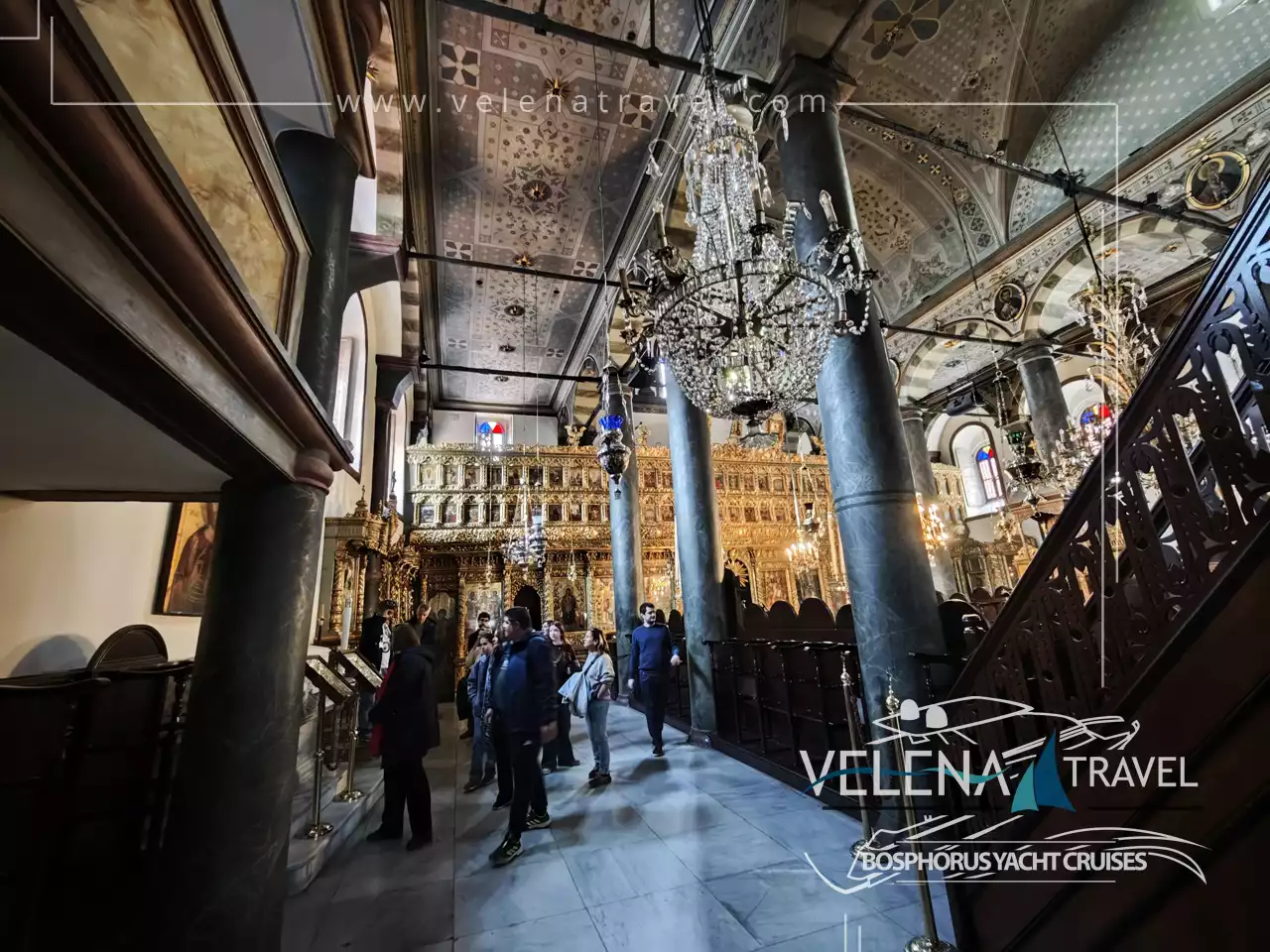
Kariye and the Palaiologan Renaissance
The artistic decoration of Chora belongs to the cultural period sometimes called the Palaiologan Renaissance.
During the final centuries of the Byzantine Empire, artists experimented with increasingly expressive figures, complex compositions and sophisticated narrative techniques.
Kariye is one of the best places in Istanbul to see this artistic development.
Its mosaics and frescoes demonstrate that Byzantine art was not static during the empire’s later period.
The figures display movement and emotion, architectural backgrounds create depth, and individual scenes are connected into larger narratives.
For this reason, Kariye is important not only to Istanbul history but also to the broader history of medieval art.
Kariye as a Mosque Today
Kariye is currently an active mosque as well as a historic monument.
Following restoration, it reopened for Muslim worship in May 2024 after having functioned as a museum for many decades.
Some historically decorated areas remain accessible to visitors, while arrangements within the prayer area protect or cover certain Christian images during worship. Reuters reported after the reopening that the museum sections continued to display mosaics and frescoes while images within the prayer area could be concealed during religious use.
Visitors should therefore remember that Kariye is not simply a conventional museum.
It is also a functioning place of worship.
Visiting Kariye Mosque
Kariye is located in the Edirnekapi area of Fatih, close to Istanbul’s historic land walls.
It sits away from the most concentrated tourist zone around Sultanahmet, making a visit particularly interesting for travelers who want to explore beyond Istanbul’s most famous monuments.
Because visitor arrangements, ticket conditions and access to different sections can change, it is advisable to check the current official visitor information before going.
The Turkish Ministry of Culture’s ticket system currently lists a Kariye visitor ticket, reflecting the monument’s continuing touristic access alongside its religious function.
What Should You Wear?
Because Kariye functions as a mosque, visitors should dress respectfully.
As with other active mosques in Istanbul:
- Shoulders and knees should be appropriately covered
- Visitors should respect prayer areas
- Instructions from mosque staff should be followed
- Access may be affected during worship
- Photography restrictions, if posted, should be respected
Women may also be asked to cover their hair in active prayer areas.
Visitor rules can change, so follow the instructions displayed at the site.
How Long Should You Spend at Kariye?
Travelers primarily interested in seeing the main mosaics and frescoes may find that approximately 45–60 minutes provides a useful amount of time.
Art and Byzantine-history enthusiasts can easily spend longer studying individual scenes.
Unlike large palace complexes, Kariye rewards close viewing.
The details matter.
Rather than moving quickly from room to room, look at how individual scenes connect across ceilings, lunettes, arches and domes.
Is Kariye Worth Visiting?
For travelers interested in Byzantine Istanbul, religious art, mosaics or medieval history, Kariye is one of the city’s most significant monuments.
Hagia Sophia impresses through monumental scale.
Kariye offers something different: intimacy and extraordinary detail.
Its mosaics allow visitors to stand remarkably close to some of the most sophisticated surviving works of Byzantine art.
It is also a place where different layers of Istanbul’s history remain visible within the same building:
Byzantine church → Ottoman mosque → museum → active mosque and historic visitor site.
That layered identity makes Kariye especially valuable for understanding Istanbul as a city shaped by more than one civilization.
Kariye and Istanbul’s Historic Areas
Kariye also belongs to the wider historic landscape associated with Istanbul’s Byzantine land walls.
UNESCO’s Historic Areas of Istanbul include the former Church of the Holy Saviour in Chora among the important monuments illustrating the city’s successive Byzantine and Ottoman periods.
This makes Kariye a natural addition for travelers exploring areas beyond Sultanahmet, particularly the city walls, Fener, Balat and other historic neighborhoods around the Golden Horn.
Exploring More of Historic Istanbul
Kariye is not normally one of the principal stops on a standard first-time Old City sightseeing itinerary, which usually concentrates on monuments around Sultanahmet.
It is better understood as a deeper exploration of Byzantine Istanbul.
Travelers visiting the city for several days can combine major attractions such as Hagia Sophia, the Blue Mosque and Topkapi Palace with lesser-visited historical areas to develop a much broader understanding of Istanbul.
If you are planning your overall sightseeing program, explore our Istanbul tours and historical sightseeing options to compare different ways of discovering the city’s Byzantine and Ottoman heritage.